
The polite version of recovery often skips the part where you look at your body and wonder if it’s still your body, if it still works the way it did, if it’s still desirable. Surgery on the vaginal area, whether for medical necessity, gender affirmation, or aesthetic preference, doesn’t just reshape tissue; it rewires the sensory map, shifts internal landscapes, and inevitably brings questions about how pleasure and intimacy will feel afterward. And let’s be clear, those questions aren’t just practical; they’re profoundly emotional, striking at the core of self-perception and how we connect with others.
Nobody prepares you for the way a surgical scar can feel like a new, uninvited guest in your most intimate space, or the strange disconnect when familiar touch yields unfamiliar sensations – or no sensation at all. It’s easy to feel isolated, as if your experience is unique, but the reality is that many people navigate these significant changes to their erogenous zones. It demands a recalibration of expectations, a deep dive into what pleasure means now, and an honest conversation with yourself and any partners about what’s different and what’s still possible.
Reclaim Your Narrative
The first thing to ditch is the idea that your post-surgical body is “damaged” or “less than.” It’s changed, yes, but change isn’t always deficit. Sometimes it’s an opportunity to discover new pathways to sensation, new ways of engaging. Surgeons focus on healing and function, and while many are increasingly sensitive to sexual outcomes, their primary objective isn’t always the full spectrum of your erotic life. That part is up to you. You are the expert of your own body, and your post-surgery experience is a vital part of your continuing story, not an ending.
This means asking hard questions of your medical team before the procedure, if possible. “Will I still feel touch here? How might sensation change? What specific nerves are involved in this area, and how might they be affected?” If you’re already on the other side of surgery, it means shifting that inquiry inward, and perhaps outward to a trusted partner. Maybe you notice certain areas are now numb, or conversely, hypersensitive. Maybe penetrative sex feels different, or orgasms are harder to achieve. These are observations, not failures. They’re data points for your new erotic map. For those exploring new dynamics in their relationships, especially with an evolving body, it can be helpful to revisit discussions on identifying and communicating sexual preferences to ensure everyone is on the same page.
The Body Remembers, and Forgets
One of the most challenging aspects of post-surgical vaginal changes is the often unpredictable nature of nerve regeneration and tissue healing. Some sensations return with time, others might be permanently altered, and some new ones might even emerge. It’s not a linear process, and impatience is a natural, but often unhelpful, companion. Think of the clitoris: its visible glans is just the tip of a much larger structure with extensive internal nerve networks. Any surgery in its vicinity – hysterectomy, labiaplasty, gender-affirming surgeries, or even prolapse repair – can impact these delicate pathways.
A common experience is the shift in how deep pressure or friction feels. What once elicited intense pleasure might now feel dull or even irritating. Conversely, areas that were previously not highly erogenous might become more sensitive as nerve endings find new connections. This is why a period of gentle exploration, both alone and with a partner, is crucial. It’s not about “getting back to normal,” but about discovering the new normal. This might involve trying different types of touch, varying pressure, or experimenting with new positions or lubricants. Sometimes, the brain’s map of the body needs time to catch up with the physical changes, and conscious, gentle retraining can help. The World Health Organization defines sexual health as a state of physical, emotional, mental, and social well-being in relation to sexuality, not merely the absence of disease, dysfunction or infirmity. This holistic view is particularly relevant when navigating post-surgical changes, emphasizing that well-being extends beyond the surgical outcome itself. You can read more about their definition here: WHO Sexual Health.
Rebuilding Intimacy Beyond Friction
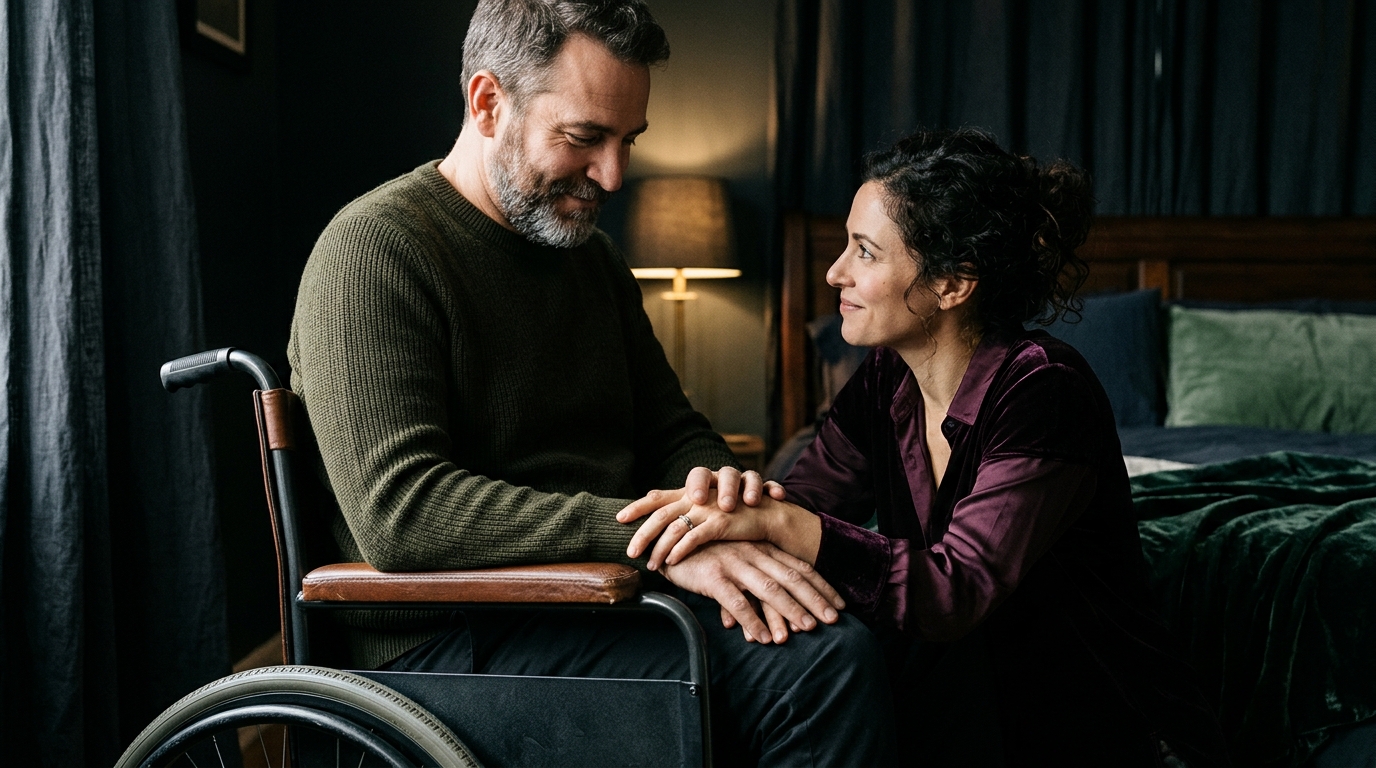
When the familiar pathways to pleasure shift, couples often hit a wall. One partner might feel inadequate, unsure how to “fix” things, while the other might internalize the changes as a personal failing. This is where the real work of mature intimacy begins. It’s not about finding a magic bullet to restore sensation exactly as it was; it’s about expanding the definition of sex and connection. This can mean leaning more heavily into non-penetrative forms of intimacy: extended foreplay, mutual masturbation, body massage, oral pleasure, or even simply prolonged sensual touch and emotional closeness.
I’ve heard people say, “But if we can’t do X, what’s the point?” That’s a protective mechanism talking, a fear of loss. The point is connection, pleasure, shared vulnerability. It’s about saying, “I know things are different, but I still want to explore this with you. What feels good now? What are you curious about?” Or, from the partner’s side, “Tell me what you’re feeling. There’s no right or wrong answer. We’ll figure this out together.” This isn’t therapy-speak; this is how adults who genuinely care about each other find their way through rough terrain. And sometimes, you find new and exciting terrain you never would have explored otherwise. There’s a certain freedom in letting go of rigid definitions of “sex” and embracing a broader palette of sensual experiences, a sentiment often echoed in discussions around older adults reclaiming desire and navigating sex post-retirement.
It’s also crucial to acknowledge that sometimes, despite best efforts, some erotic functions may not fully return. This can be devastating. When this happens, the challenge shifts from restoration to acceptance and adaptation. It doesn’t mean your sexual life is over; it means it must be reimagined. This might involve focusing on other erogenous zones, exploring fantasy, or finding deep satisfaction in the emotional and physical intimacy that doesn’t rely on specific genital sensations. Don’t let shame or perceived failure keep you from exploring new avenues for connection and pleasure.
The greatest disservice you can do to yourself and your partner is to hide the truth of what you’re experiencing. Drop the vagueness. Say the honest thing: “My body feels different there now. Sometimes it’s numb, sometimes it’s weirdly sensitive. I’m still figuring it out, but I want to keep exploring with you.” That kind of directness is rarely met with rejection; it’s usually met with relief and a renewed sense of shared purpose. Be brave enough to feel what you feel, and courageous enough to speak it.
Frequently Asked Questions
How can I regain sensation or pleasure in my vagina after surgery?
Regaining sensation post-surgery often involves recalibrating expectations and exploring new erotic maps. It's a non-linear process of nerve regeneration and tissue healing, which may introduce new sensations or alter familiar ones. Focus on observing changes and communicating them to partners to discover new pathways to pleasure.
What specific questions should I ask my medical team about post-surgery sexual function?
Before surgery, ask your medical team: 'Will I still feel touch here? How might sensation change? What specific nerves are involved in this area, and how might they be affected?' These questions help you understand potential impacts on your erotic life and prepare for changes.
Is it normal for my clitoris to feel different after vaginal or pelvic surgery?
Yes, it is common for the clitoris to feel different after surgeries in its vicinity, such as hysterectomy, labiaplasty, or prolapse repair. These procedures can impact the extensive internal nerve networks of the clitoris, leading to altered or new sensations.