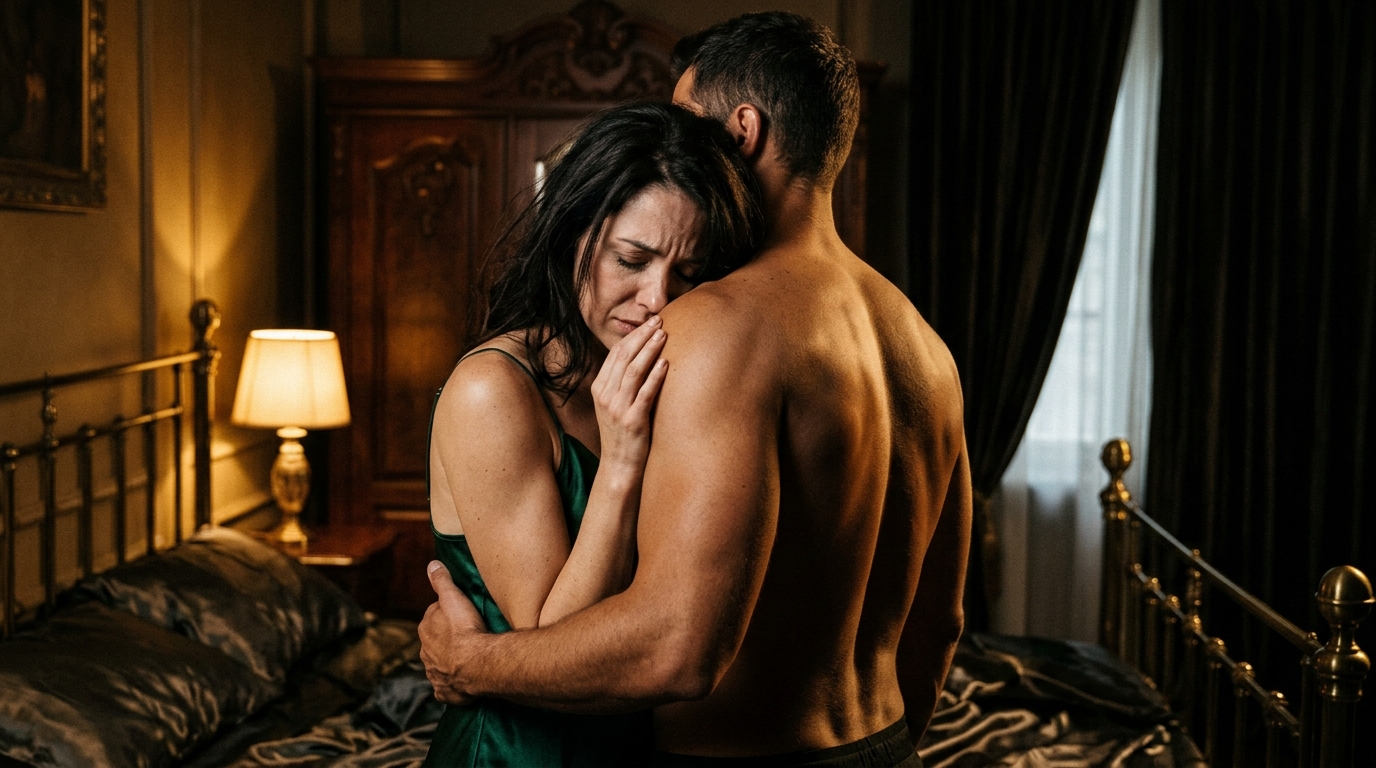
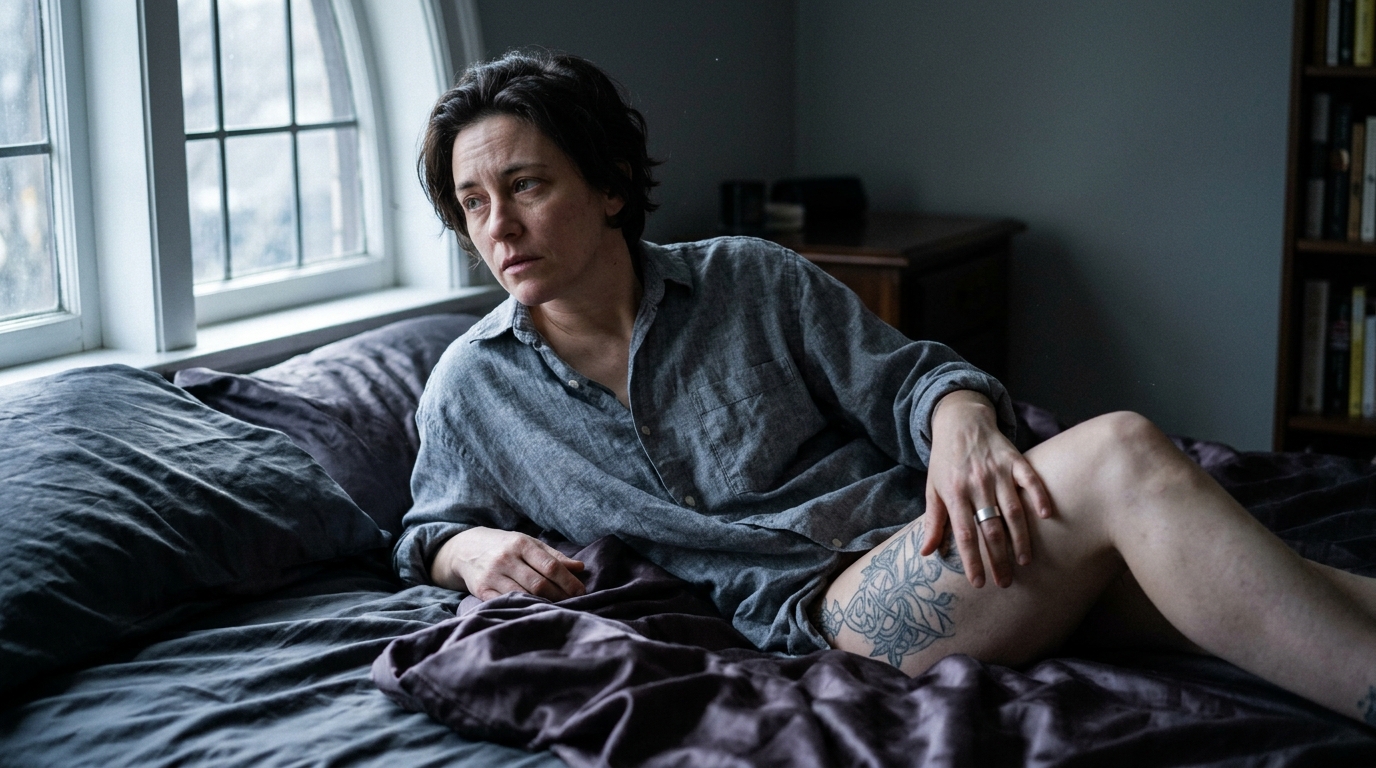
You found this article because you’re tired of the carefully curated, able-bodied sex advice that populates every lifestyle magazine. You’re here because your body has changed. Perhaps it’s a nagging ache, a sudden flare, or a constant thrum of discomfort that now dictates the rhythm of your days and nights. And in its wake, it’s not just your ability to walk or work that’s shifted; it’s also redefined how you understand pleasure, intimacy, and your own sexual identity. Nobody talks about how chronic pain redefines your sexual identity, but it does. It rearranges the furniture of your desire, sometimes subtly, sometimes violently, leaving you wondering where the old ‘you’ went, and who this new sexual self is.
This isn’t about tips for ‘sex with chronic pain’ in the sense of a quick fix or a list of positions. Those articles exist, and they have their place. This is about the deeper, often unspoken transformation of self that happens when your body becomes a landscape of sensation you can’t always control. It’s about the grief for what was, the fear of what might be lost, and the surprising, sometimes liberating, discoveries that emerge from adapting to a new physical reality.
The Body Betrays, The Mind Retrains
One of the most immediate impacts of chronic pain is the feeling of bodily betrayal. Your own physiology, once a reliable vessel for pleasure and connection, now feels like a saboteur. A touch that once elicited arousal might now trigger a jolt of pain. Positions that were once effortless are now impossible. This isn’t just a physical limitation; it’s an erosion of trust in your own body’s capacity for joy.
This betrayal forces a recalibration of what ‘sex’ means. For many, sex is an intuitive, spontaneous act. Chronic pain injects a layer of conscious negotiation. It demands planning, communication, and often, a fundamental reimagining of what constitutes intimacy and sexual satisfaction. The spontaneous thrust of passion might be replaced by a carefully choreographed dance of comfort and consent, punctuated by check-ins and adjustments. This isn’t necessarily a bad thing, but it is different. It requires a deliberate shift from an unconscious pursuit of pleasure to a mindful, collaborative exploration of what’s possible.
Consider Sarah, a client of a friend of mine, who developed fibromyalgia in her late thirties. For years, sex with her husband was athletic, uninhibited. Now, the weight of her husband’s body, even a light touch, could send searing pain through her muscles. She felt like her sexuality was vanishing. What they discovered, through painful trial and error and a lot of frank conversations, was that ‘sex’ didn’t have to look like it used to. It became less about penetration and more about prolonged, gentle intimacy: mutual masturbation, sensual massage focusing on non-painful areas, shared baths, and extensive foreplay that prioritized connection over specific acts. Her sexual identity, once defined by her physical prowess, shifted to one defined by her capacity for vulnerability and deep emotional connection. It was a loss, yes, but also a discovery of a different kind of richness.
Grief and the Ghost of Orgasm Past
It’s crucial to acknowledge the grief that accompanies this shift. Grieving the loss of certain sexual experiences, certain movements, certain types of orgasms, is not a weakness; it’s a natural and necessary part of the process. You might miss the feeling of being completely uninhibited, of not having to think about your body during sex. You might miss the specific rush of a certain kind of orgasm that is now out of reach. These are real losses.
The temptation is often to push through the pain, to ‘power through’ for the sake of your partner or a nostalgic idea of what sex ‘should’ be. This is almost always counterproductive. It creates a negative association with sex, transforming it from a source of pleasure into a source of dread. It can also lead to increased pain and a cycle of avoidance. Acknowledging the grief, talking about it openly with a trusted partner, or even just sitting with it yourself, is the first step toward finding new pathways to pleasure.
This grieving process also extends to your self-perception. How do you see yourself as a sexual being when your body is no longer predictable? Many individuals internalize the idea that they are ‘less than’ or ‘broken’ when their sexual experiences change. This is a cruel and inaccurate narrative. Your capacity for desire, for intimacy, for connection, is not defined by the functionality of specific body parts or the absence of pain. It’s defined by your will to connect, to explore, to feel.
Further reading: what is attachment theory in relationships and how does it affect intimacy · how to rebuild emotional intimacy after a platonic partnership ends
Reclaiming Desire: Beyond the Obvious
Here’s the mildly contrarian point: chronic pain, while undeniably debilitating, can also be a surprising catalyst for sexual exploration and innovation. When the usual routes are blocked, you’re forced to get creative. This isn’t about romanticizing suffering, but about recognizing the human capacity for adaptation.
Think about it: before pain, many of us autopilot through sex. We stick to familiar scripts, familiar positions, familiar sensations. Pain forces us to slow down, to listen to our bodies with an intensity we never previously needed. It demands a heightened awareness, a sensitivity to nuances of touch and sensation that might have been overlooked before. This hyper-awareness, while born of necessity, can actually deepen sexual experiences.
Take the example of tactile sensation. If deep pressure is painful, perhaps light feathering becomes incredibly potent. If direct genital stimulation is too much, perhaps the entire landscape of your skin becomes a new erogenous zone. Exploring kink, for instance, can be unexpectedly liberating here. Bondage, not for restraint but for support and positioning, can open up possibilities. Sensory deprivation (within safe, consensual limits) can amplify other senses. The exploration of different textures, temperatures, or even sounds can become pathways to arousal when direct physical engagement is limited. It’s about expanding the definition of what constitutes ‘sexual’ input. This isn’t just about finding alternatives; it’s about discovering entirely new dimensions of pleasure.
Communicating the Unspeakable
The biggest hurdle, beyond the physical changes, is often communication. How do you tell a partner that what used to feel good now hurts? How do you articulate the nebulous, shifting landscape of your pain? It’s a delicate dance of vulnerability.
Start by being specific, even if it feels clinical. Instead of “it hurts,” try “that pressure on my lower back feels like a dull ache right now, could we try shifting my hips slightly?” Or “My neck feels really vulnerable to sudden movements, so could we keep things slow for a while?” Use a pain scale, if it helps you and your partner understand. A 1-10 scale might sound prescriptive, but it provides a common language for an intensely subjective experience.
It’s also crucial for partners to understand that “no” or “stop” isn’t a rejection of them, but an act of self-preservation. And it’s an act of trust, trusting that their partner values your comfort and well-being above their own immediate gratification. For partners, patience and active listening are paramount. Educating yourselves about the specific pain condition can also be immensely helpful. Understanding the mechanics, even if you can’t feel it, fosters empathy and reduces the likelihood of misunderstandings.
Ultimately, navigating sex with chronic pain is a continuous negotiation, a conversation that evolves as your body does. It requires a willingness to experiment, to fail, to laugh, and sometimes to cry together. It’s a testament to the resilience of human intimacy, a demonstration that desire, like water, will always find a way to flow, even if it has to carve new paths through the landscape. And in that carving, you might just discover a richer, more profound sense of your sexual self than you ever knew existed. So, what new paths are you willing to explore?