
Byline: “Alex Chen” (Myth-Busting Column · dateline Portland, OR)
The modern adult creator economy, for all its revolutionary promise of autonomy and direct connection, operates on a payment infrastructure riddled with unexamined assumptions. We tend to view payment gateways—Stripe, PayPal, and their industry-specific counterparts—as neutral conduits, a digital equivalent of dropping cash into a tip jar. This perception, however, is a convenient fiction, actively reinforced by platforms that want us to believe their service fees are the only significant cut. The truth is far more complex, obscured by layers of banking regulations, risk assessments, and a historical bias against sex work that predates the internet itself.
The Myth of Neutral Transaction Fees
When a creator sets a price for a subscription or a custom piece, they see a simple calculation: price minus platform cut equals gross payout. What’s often invisible are the secondary and tertiary charges embedded deep within the payment processing ecosystem. These aren’t just the visible transaction fees—the percentages taken by Visa or Mastercard, which are often passed on to the platform, then indirectly to the creator. No, we’re talking about the less transparent “interchange fees,” “assessment fees,” and “cross-border transaction fees” that aggregate into a significant drain. The standard advice assumes a predictable deduction. That works only if you ignore the fact that the adult industry is deemed “high-risk” by most financial institutions. This designation isn’t an objective assessment of financial solvency; it’s a moral judgment, a relic of anti-obscenity laws and social stigma, baked into modern banking algorithms.
High-risk merchant accounts attract higher processing rates, steeper rolling reserves (where a percentage of funds is held back for an extended period), and stricter chargeback policies. This isn’t disclosed prominently; it’s a cost absorbed by the platforms, then often recuperated through less obvious mechanisms, or it directly impacts the creator’s bottom line through higher effective fees or delayed payouts. The creator, often an independent contractor already navigating precarious income streams, bears the brunt of these hidden costs without even realizing they exist. It’s a systemic disadvantage, not an operational oversight.
The Algorithm’s Moral Compass
Many payment processors, especially the major ones, maintain Acceptable Use Policies that effectively discriminate against adult content. These policies are often vague, allowing for broad interpretation and arbitrary enforcement. This isn’t merely about blocking “illegal” content, which is a legitimate function; it’s about denying services based on content type even when it’s consensual and legal in the creator’s jurisdiction. This moralistic stance forces many adult platforms into niche, often less stable, payment processors. The stability and lower fees offered by mainstream providers are simply not an option.
Consider the ripple effect: a limited pool of available processors means less competition, which naturally leads to higher costs and fewer creator protections. When a platform’s primary payment gateway suddenly freezes funds or terminates an account—a distressingly common occurrence for adult creators—the impact is immediate and devastating. This isn’t just about a lost transaction; it’s about a creator’s entire livelihood being held hostage. The issue isn’t technological; it’s ideological. These algorithms aren’t neutral arbiters of risk; they’re digital extensions of historical moral panics, programmed to flag and penalize based on content, not just creditworthiness. For a deeper dive into these unexpected freezes, read our column: Why are payment processors freezing adult content creator funds without warning?.
Disputed Transactions and Creator Vulnerability
Chargebacks are another silent killer of creator income. A customer initiates a chargeback when they dispute a transaction with their bank, claiming unauthorized use or dissatisfaction with a product or service. While legitimate chargebacks protect consumers, the adult content space sees an elevated rate of “friendly fraud,” where customers consume content and then initiate a chargeback, claiming they never authorized the purchase. This is often enabled by the discrete nature of adult content consumption; patrons might not want their partners or banks to see explicit billing descriptions.
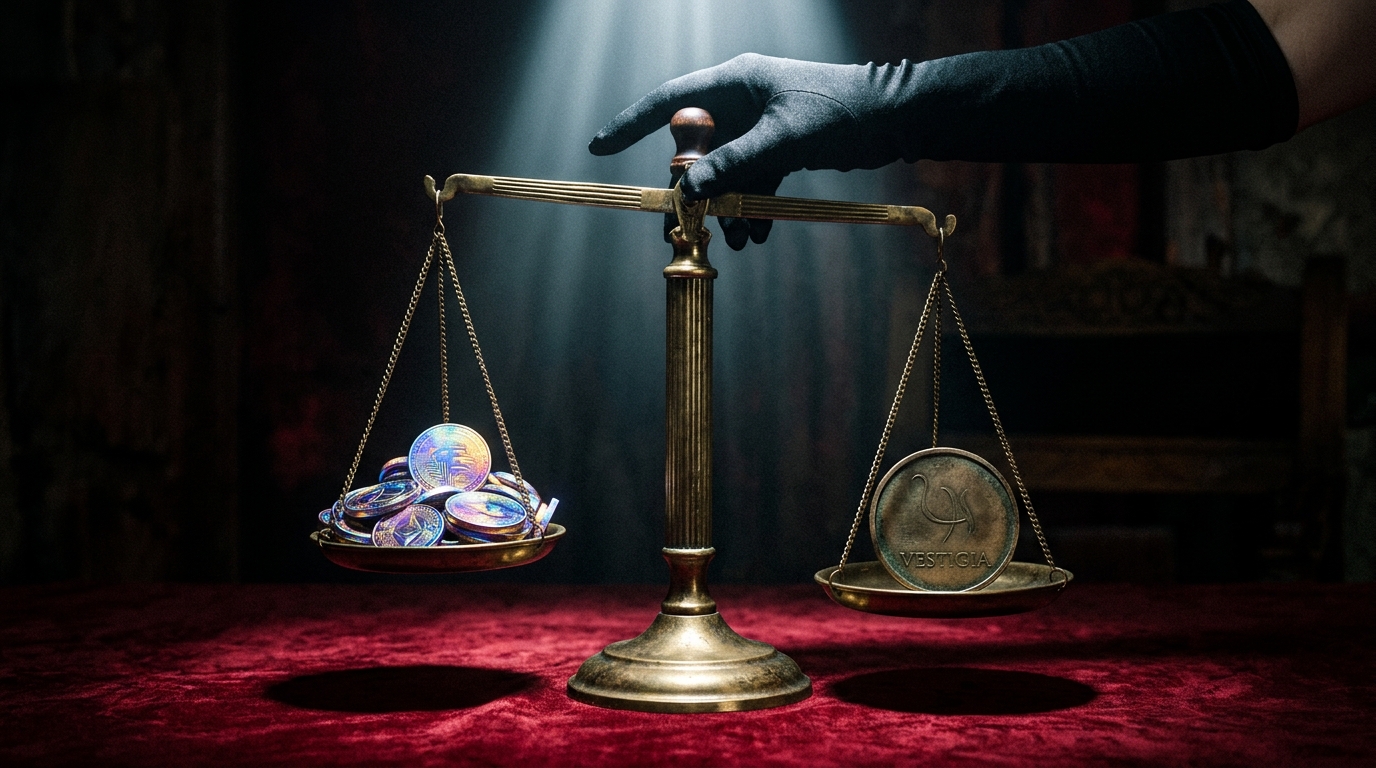
When a chargeback occurs, the funds are typically pulled back from the creator, often with an additional chargeback fee levied by the payment processor—sometimes as much as $15 to $25 per incident. The creator is usually left to prove the legitimacy of the transaction, a process that is time-consuming, emotionally draining, and often futile. Payment gateways tend to side with the cardholder, viewing creators as high-risk and therefore less credible. The standard terms of service might outline a dispute resolution process, but the scales are inherently tipped. The cost isn’t just the lost revenue and the fee; it’s the invisible labor of defending against fraud, a labor that goes uncompensated and unrecognized. This contributes significantly to OnlyFans creator burnout and 5 ways to prevent it in 2026.
The Path Forward: Transparency and Collective Action
The narrative of “creator liberation” through direct monetization is compelling, but it glosses over the systemic financial friction built into the current infrastructure. Creators deserve more than vague promises; they need full transparency about every fee, every reserve, and every potential delay. This isn’t just about platform-specific changes, like the new OF creator payouts 2026 and how to optimize earnings. It requires a broader shift in how financial institutions view and categorize adult entertainment. Advocacy from organizations like the Electronic Frontier Foundation for digital rights and against platform censorship is crucial, extending to the financial arteries of the internet.
What if we started demanding that payment gateways disclose not just their explicit transaction fees, but also their “high-risk” surcharges, their chargeback success rates for adult content, and the actual reasons for account terminations? What if the default wasn’t to treat adult creators as inherently suspicious, but as legitimate small businesses contributing billions to the global economy? This would flip the onus from individual creators desperately searching for a stable income stream to the financial infrastructure itself, forcing it to justify its moralistic and often opaque practices.
Frequently Asked Questions
Why do adult content creators face higher payment processing fees than other industries?
Adult content creation is often designated as 'high-risk' by financial institutions due to historical biases and moral judgments, not financial solvency. This classification leads to increased processing rates, stricter policies, and higher rolling reserves compared to other industries.
What hidden costs do payment gateways typically not disclose to adult content creators?
Payment gateways often don't disclose 'interchange fees,' 'assessment fees,' and 'cross-border transaction fees' that aggregate into significant deductions. Additionally, higher processing rates and rolling reserves due to 'high-risk' designations are frequently absorbed by platforms or indirectly impact creators.
How do mainstream payment processors' Acceptable Use Policies affect adult creators?
Mainstream payment processors' vague Acceptable Use Policies often discriminate against legal adult content, forcing platforms into less stable, niche processors. This limits competition, increases costs, and reduces creator protections, leading to higher risks of frozen funds or account terminations.