The human brain’s capacity for nuance remains grossly underestimated, particularly by the algorithms tasked with policing our digital expressions. The latest advancements in AI content moderation, rather than offering a precise scalpel, often feel more like a dull butter knife attempting brain surgery, leaving platforms and creators alike in a state of perpetual, low-grade anxiety.
Most major platforms — the ones where adult creators monetize their work — rely on increasingly sophisticated AI to scan, categorize, and flag content. This is not some fringe technology; it’s the invisible infrastructure determining livelihoods. The promise was always efficiency and objectivity, a mechanical eye unburdened by human bias or fatigue. The reality, however, is a labyrinth of false positives, bewildering deletions, and an opaque appeals process that often feels less like due process and more like shouting into a void. It turns out that even with petabytes of training data, a machine still struggles with the subtle winks, the implied narratives, and the context-specific ironies that define much of human sensuality. It’s the digital equivalent of asking a spreadsheet to explain a dream.
The Algorithmic Blind Spot
The fundamental problem with AI-driven content moderation isn’t malice; it’s an inherent lack of understanding. These systems are designed to identify patterns based on pre-fed data, not to grasp the subjective, often fluid, boundaries of what constitutes “appropriate” or “consensual” adult content. They excel at spotting explicit nudity or universally recognized symbols of violence. They falter dramatically when presented with anything that deviates from their rigid training sets, often leading to a conservative overcorrection.
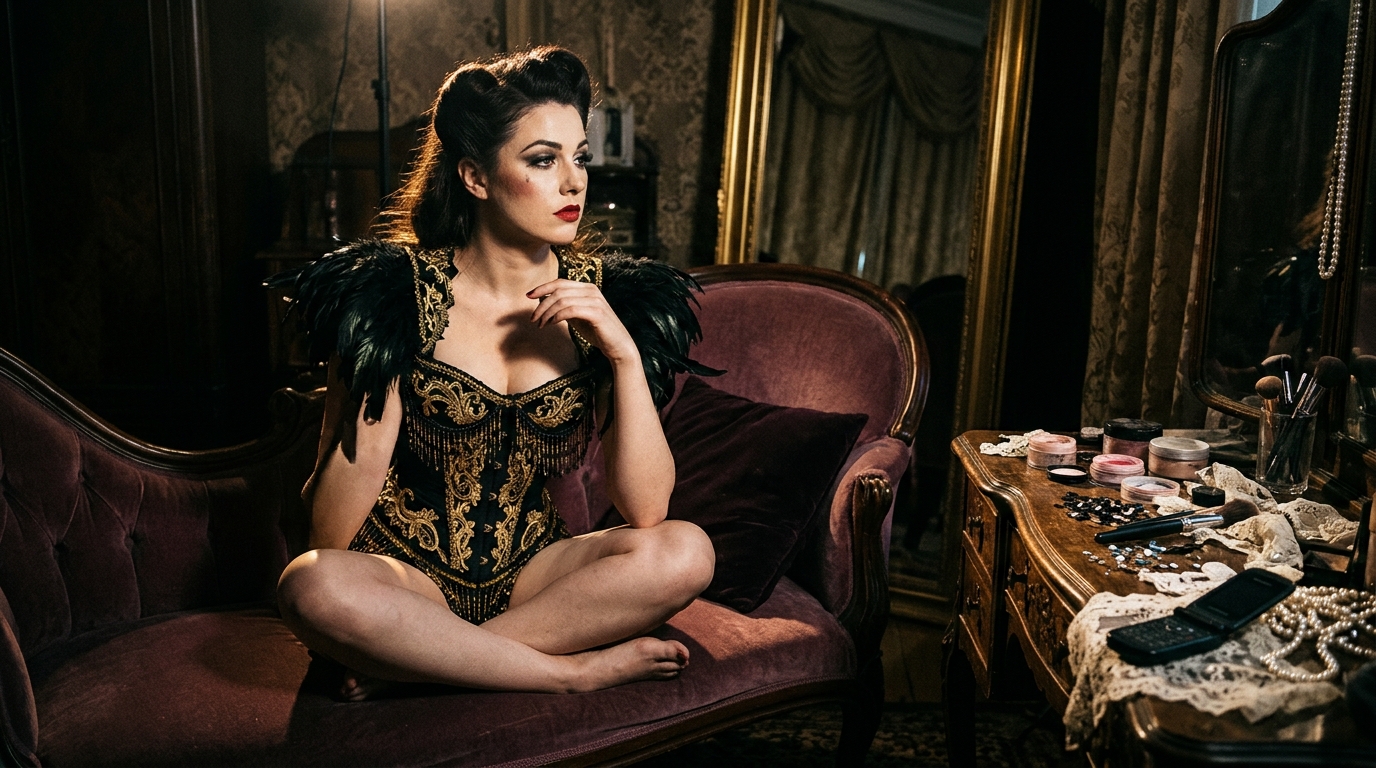
Consider a creator posing in lingerie against a backdrop of classical art, a common aesthetic choice for many. An AI might flag the bare skin, oblivious to the artistic context, the historical reference, or the creator’s explicit permission to be depicted in such a manner. Meanwhile, content that subtly skirts the edges of problematic themes, perhaps cloaked in euphemism or highly contextual banter, might slip through undetected because it doesn’t trigger the predetermined algorithmic keywords or visual cues. This asymmetry creates a system where an artfully composed, consensual image is penalized while genuinely concerning material might remain online, simply because its presentation isn’t obvious enough for the machine to catch. It’s like teaching a child to recognize “dog” by only showing them golden retrievers, then expecting them to identify a chihuahua.
The fallout from these misidentifications is more than just an inconvenience. For independent creators, a false flag can mean demonetization, temporary bans, or even permanent account deletion, often without clear explanation or a path to immediate recourse. This isn’t just about losing revenue for a week; it’s about having a digital livelihood — often the primary source of income — vanish overnight, sometimes due to a shadow on a shoulder or a culturally specific gesture misinterpreted by an algorithm trained predominantly on Western, English-language datasets. There’s a quiet desperation that sets in when your professional existence hangs by the thread of a machine’s inscrutable decision.
The Impossible Promise of Purity
Platforms, under increasing regulatory and public pressure, often lean on AI as a panacea, a technical solution to complex socio-cultural problems. They want to appear proactive, to demonstrate a commitment to safety and compliance, particularly in the wake of legislation like FOSTA-SESTA in the US, which placed greater liability on platforms for content hosted. However, this push for an “ultimately clean” platform (which, let’s be frank, is an impossible promise for any space hosting human interaction) often sacrifices the autonomy and economic stability of adult creators.
The issue is compounded by the fact that the underlying logic of these AI tools is proprietary, a black box. Creators are often left guessing why their content was removed, trying to reverse-engineer an algorithm’s invisible parameters. This leads to a chilling effect: creators self-censor, avoiding any content that might potentially trigger a bot, even if it falls well within legal and ethical boundaries. They become their own, highly conservative, content moderators, out of fear. This extends beyond visuals; even innocent terms or phrases in captions can be misinterpreted. The absurdity reaches its peak when you consider that sometimes a platform’s own marketing might inadvertently use phrases that would get a creator’s post flagged. It’s a self-defeating prophecy where the quest for automated safety stifles legitimate expression. For more on the internal struggles platforms face, you might want to read “AI content moderation: why platforms are struggling with deepfake porn in 2026” and “best AI deepfake detector tools for adult content platforms in 2026.”
When Humans Intervene
While AI is the first line of defense, human moderators are still essential, albeit often overwhelmed and under-resourced. These individuals are tasked with reviewing flagged content, interpreting policy, and making judgment calls where the AI has failed. It’s a grueling job, often exposing them to traumatic material, and it’s frequently outsourced to workers in countries with lower labor costs, leading to inconsistent application of policies across different cultural contexts.
The human element, while vital, introduces its own set of complications. Reviewers, despite training, bring their own biases and interpretations to the table. What one person deems acceptable, another might flag. The sheer volume of content means decisions are often made under pressure, with limited time for nuanced consideration. This isn’t a critique of the human moderators themselves, but rather of a system that asks them to perform an almost impossible task: apply universal, often vaguely defined, policies to a global, diverse, and inherently subjective landscape of adult content, all while under immense temporal and emotional strain. The ideal, of course, would be robust, well-supported human review teams complementing AI, rather than acting as a last-ditch, overburdened clean-up crew. For insights into developing more ethical AI tools, check out “best ethical AI tools for adult content moderation 2026 to protect creators.”
The reliance on AI for content moderation in the adult creator economy is a Faustian bargain. It offers scale and speed but at the cost of accuracy, nuance, and creator livelihoods. Until these tools can truly understand the context, intent, and inherent subjectivity of human expression, their shaky foundation will continue to undermine the very platforms they are designed to protect. Perhaps we should simply admit that some tasks are too complex for even the most advanced algorithms and require the messiness, and mercy, of human judgment. The quest for absolute automated purity will always stumble over the unquantifiable aspects of being alive.
Frequently Asked Questions
Why do AI content moderation tools struggle with nuanced adult content?
AI content moderation tools struggle because they are designed to identify patterns based on rigid training data, not to grasp subjective human nuance, artistic context, or implied narratives. They excel at explicit cues but falter dramatically with subtle expressions of sensuality or culturally specific gestures, leading to frequent misinterpretations.
What are the real-world consequences of AI content moderation errors for creators?
For independent creators, AI content moderation errors can lead to severe consequences like demonetization, temporary bans, or permanent account deletion, often without clear explanation. This directly impacts their primary source of income and livelihood, causing significant financial and professional distress due to algorithmic misinterpretations.
How do AI moderation systems misinterpret artistic or consensual adult content?
AI moderation systems often misinterpret artistic or consensual adult content by focusing solely on explicit visual cues, such as bare skin, while being oblivious to artistic context, historical references, or creator consent. This can result in a consensual, artfully composed image being flagged, while genuinely problematic content with less obvious cues might go undetected.