
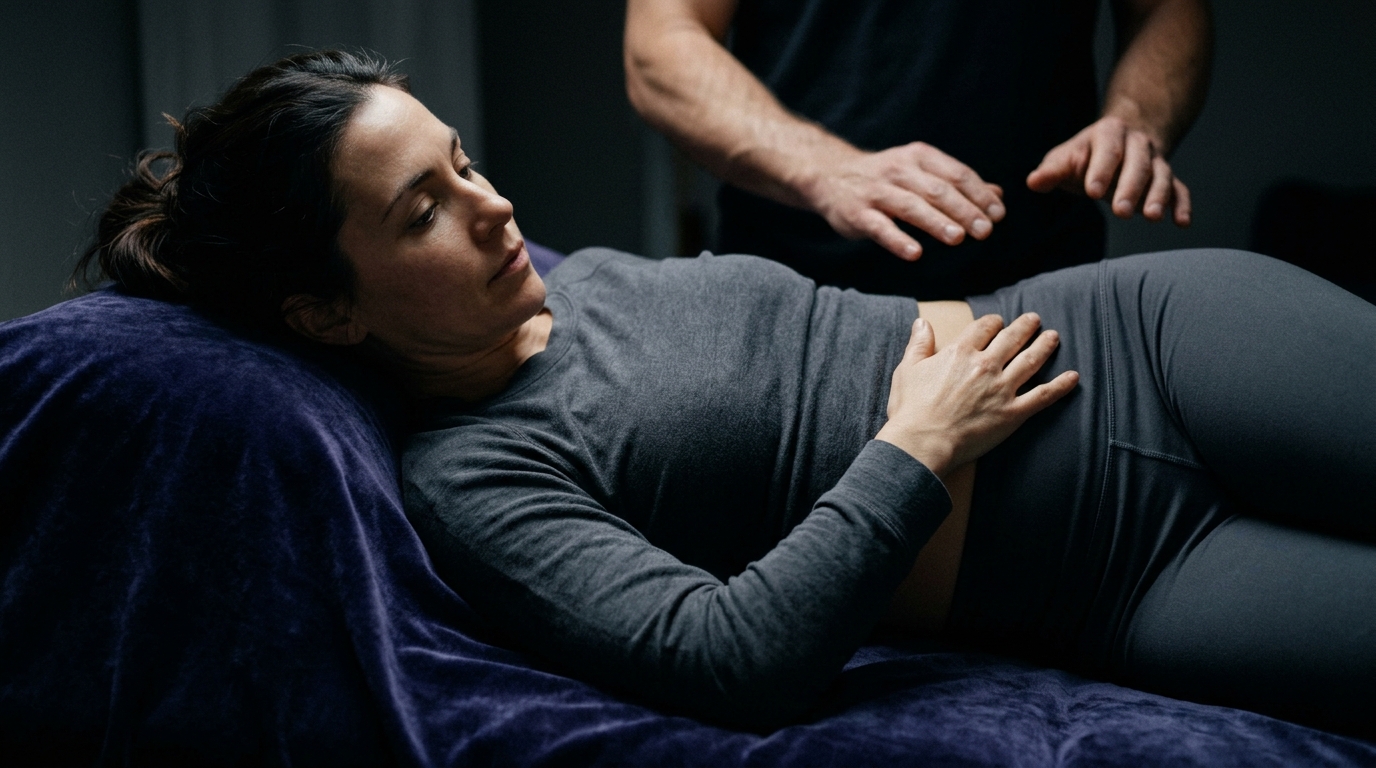
The blunt truth about persistent pelvic pain is that it eventually turns sex into a negotiation, a cautious exploration of what might hurt instead of what might feel good. It strips away spontaneity, leaving behind a minefield where desire often retreats rather than risks another sharp, unwelcome sensation. And if we’re being honest, many of us, when faced with such an intimate problem, default to discreet online searches or whispered conversations, hoping to fix it ourselves with a few discreet exercises at home.
It’s a natural impulse to want privacy when dealing with something so personal, especially when it touches on sexual function or comfort. But the assumption that a few generic kegels will solve everything from urinary leakage to deep penetration pain is often a costly delay, prolonging discomfort and deepening the emotional rift that chronic pain can carve between partners. The reality is, the nuanced landscape of the pelvic floor, with its intricate web of muscles, nerves, and connective tissues, frequently requires more than just self-guided exercises from a YouTube video.
Get Specific About What Hurts
You feel a sharp, burning sensation during intercourse, or perhaps a dull ache afterwards. Maybe you’re experiencing unexpected leakage when you laugh, or a constant pressure that just won’t ease. These aren’t just minor annoyances; they are signals. And the first, most crucial step isn’t to start clenching randomly, but to understand what exactly your body is trying to tell you.
“It just hurts down there,” isn’t specific enough for effective self-treatment. Is it superficial or deep? On one side or generalized? Does it happen with specific movements or positions? Without a professional assessment, you’re essentially throwing darts in the dark. A qualified pelvic floor physical therapist (PFPT) has the training to identify the exact muscles, ligaments, or nerve pathways involved. They can differentiate between hypertonic (overly tight) muscles that need to relax and hypotonic (weak) muscles that need strengthening. This distinction is critical because trying to strengthen an already tight muscle can actually worsen your pain. Imagine trying to fix a knotted shoulder with more push-ups – it just doesn’t work.
Many conditions benefit from this targeted approach, including vaginismus, vulvodynia, pudendal neuralgia, painful bladder syndrome, and even some forms of erectile dysfunction. For men, especially after procedures like prostatectomy, understanding how to re-engage these muscles is vital for continence and sexual function. Our article on best pelvic floor exercises for men after prostatectomy 2026 dives deeper into this specific need.
Why Home Exercises Often Miss the Mark
The internet is awash with “pelvic floor exercises” – lists of kegels, bridges, and squats, all promising relief. And for some, particularly those with mild, generalized weakness (like post-childbirth urinary stress incontinence), these can offer a starting point. But for anything beyond the most basic issues, home exercises alone often fail for several key reasons.
First, most people perform kegels incorrectly. Studies suggest that a significant percentage of individuals, when instructed to do kegels, either bear down (push out) or activate other muscles like their glutes or abs, rather than isolating the pelvic floor. A PFPT can provide biofeedback, either through manual palpation or specialized equipment, to ensure you’re contracting the right muscles correctly. They can literally feel what you’re doing, guiding you in real-time.
Second, the pelvic floor is not just one muscle; it’s a hammock of several muscles working in concert, forming a dynamic support system. Different issues require different approaches. If your pain stems from overly tight muscles, strengthening them further will only exacerbate the problem. A PFPT can use techniques like internal manual therapy, myofascial release, trigger point dry needling, or nerve glides to release tension and restore flexibility, which are impossible to do effectively on your own. It’s not always about more strength; sometimes it’s about learning to relax. This insight is often counterintuitive to those who associate “fixing” a muscle with “strengthening” it.
Consider the complexity: the pelvic floor muscles play a role in everything from bladder and bowel control to sexual function and core stability. They are intimately connected to the hips, lower back, and diaphragm. A PFPT doesn’t just look at the pelvic floor in isolation; they assess your posture, breathing patterns, and overall movement mechanics. This holistic perspective is crucial for identifying contributing factors that no amount of solo kegel practice will ever uncover. For individuals seeking to improve sexual sensation, especially after life changes like childbirth or menopause, understanding these nuances is critical. Our articles on how to improve sexual pleasure with pelvic floor exercises and pelvic floor exercises for stronger orgasms after menopause delve into how targeted therapy can make a difference.
Invest in Expert Guidance
The decision to seek professional help often comes down to an emotional cost-benefit analysis. We weigh the discomfort of discussing intimate pain against the potential relief. But waiting, hoping it will disappear, only prolongs the suffering and can even deepen existing issues. This isn’t about vanity or weakness; it’s about reclaiming comfort and pleasure in your own body.
A few sessions with a qualified PFPT can provide a personalized roadmap for recovery that home exercises simply cannot. They teach you how to properly engage your muscles, give you specific stretches and relaxation techniques, and help you understand the why behind your pain. They can also offer guidance on lifestyle modifications, ergonomic adjustments, and strategies for pain management during sexual activity. It’s a structured approach, tailored to your unique anatomy and symptoms, rather than a generic one-size-fits-all solution.
Think of it as an investment in your well-being, both physical and intimate. The sooner you address the root cause of the pain, the sooner you can return to enjoying intimacy without apprehension. You wouldn’t try to fix a complex plumbing issue with a wrench and a YouTube video; why treat your body any differently?
The truth is, your body deserves specific, expert attention when it’s sending clear signals of distress. Stop waiting for the pain to magically resolve itself or relying on generic advice that may not apply to you. Be brave enough to ask for help. Say the honest thing to yourself, and to a professional: “This hurts, and I need it to stop.” There’s no shame in seeking expertise to reclaim your comfort, your confidence, and your pleasure. For further reading, a comprehensive overview of the pelvic floor and its functions can be found on Wikipedia.
Frequently Asked Questions
When should I see a pelvic floor physical therapist instead of just doing home exercises?
You should see a pelvic floor physical therapist if you experience persistent pain during sex, unexpected leakage, or constant pelvic pressure. A professional assessment is crucial to identify specific muscle imbalances, like hypertonic or hypotonic muscles, that generic home exercises cannot accurately address.
Why are generic home pelvic floor exercises often ineffective for chronic pelvic pain?
Generic home exercises often fail because most people perform them incorrectly, activating other muscles instead of isolating the pelvic floor. Additionally, chronic pain often stems from overly tight (hypertonic) muscles, which strengthening exercises can worsen, requiring a targeted therapeutic approach.
Can a pelvic floor physical therapist help with specific conditions like vaginismus or pudendal neuralgia?
Yes, a qualified pelvic floor physical therapist can provide targeted treatment for conditions like vaginismus, vulvodynia, pudendal neuralgia, and painful bladder syndrome. They can accurately diagnose whether muscles need strengthening or relaxation, which is critical for effective relief.